Sustainable solutions
Ecological covers, a sustainable solution versus
the lack of green areas in the urban environment and global warming.
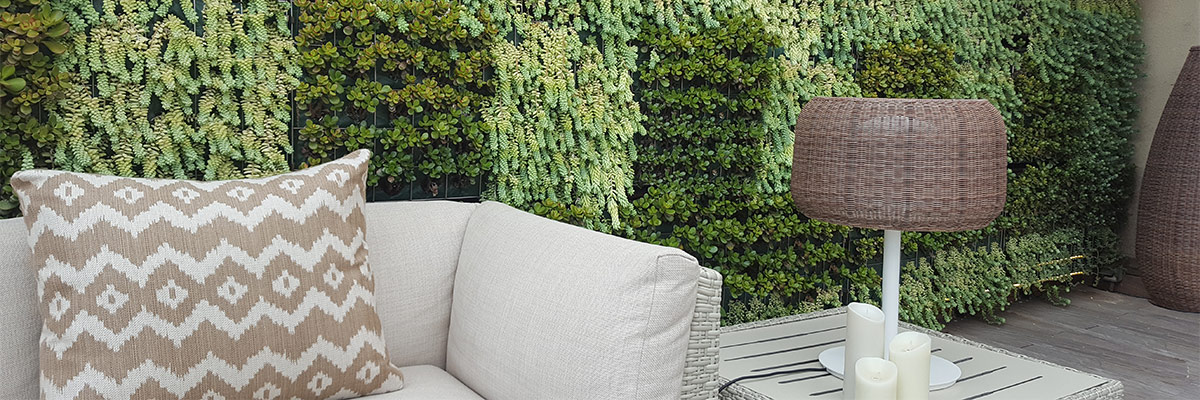
The hectic urban development involves the loss of green spaces and the increase in temperature and, consequently, the reduction of the environmental quality of cities. To deal with these problems, the incorporation of green roofs in buildings becomes a good sustainable measure applied to the new construction or rehabilitation of existing buildings. This greening initiative of the main growing urban areas must be carried out by the owners of the buildings and houses, with the support of local authorities and the impulse of the governments, to capture the effects of climate change.
In April 2012, Toronto regulated by law the implementation of green roofs in buildings of more than 2000 m2, requiring between 20% and 60% of plant-type surfaces. The cities of Chicago and New York have also taken similar measures, as Tokyo and Buenos Aires. In Europe, Switzerland requires to include green roofs in all new buildings, and recently, Copenhagen passed a law that requires owners of new buildings to have some type of vegetation on their roofs as a measure of environmental efficiency. Currently the City of Barcelona has launched a line of aids to renaturalization for roof landscaping projects.
Examples around the world:
Barcelona Success Story
In Barcelona, a dense city with a Mediterranean climate, building roofs, terraces, and inner courtyards should be considered an underutilized resource.
- 67% of Barcelona’s building roofs are flat surfaces, meaning flat and generally accessible roofs.
- 20% of rooftops have optimal conditions for the use of solar energy.
- These roofs could generate 400,000 MWh/year of domestic hot water and/or electricity (equivalent to four times the energy consumption of Barcelona’s public street lighting).
* Source: Barcelona City Council
ENVIRONMENTAL BENEFITS
- Reduction of the urban heat island effect
- Rainwater retention and filtration
- Improved air quality through the reduction of CO2 and dust levels
- Ensures the preservation of natural habitats and biodiversity
- Increased roof lifespan
- Reduced building energy costs
- Improved energy efficiency
- Noise reduction
- Introduction of a natural green appearance as an alternative to concrete and glass
- Development of a new interest in urban agriculture
- Improved quality of life for citizens
- Creation of new meeting points and enhanced use of green spaces
Operation, Installation, and Maintenance
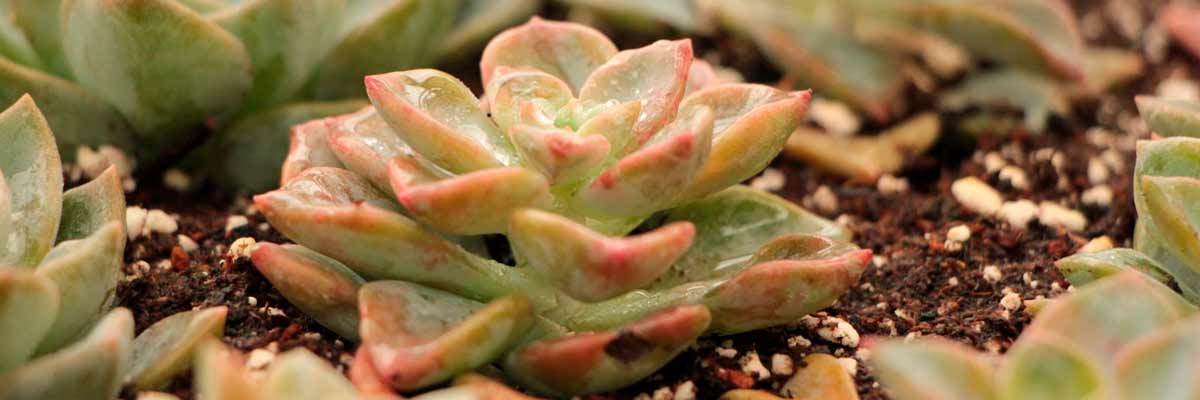
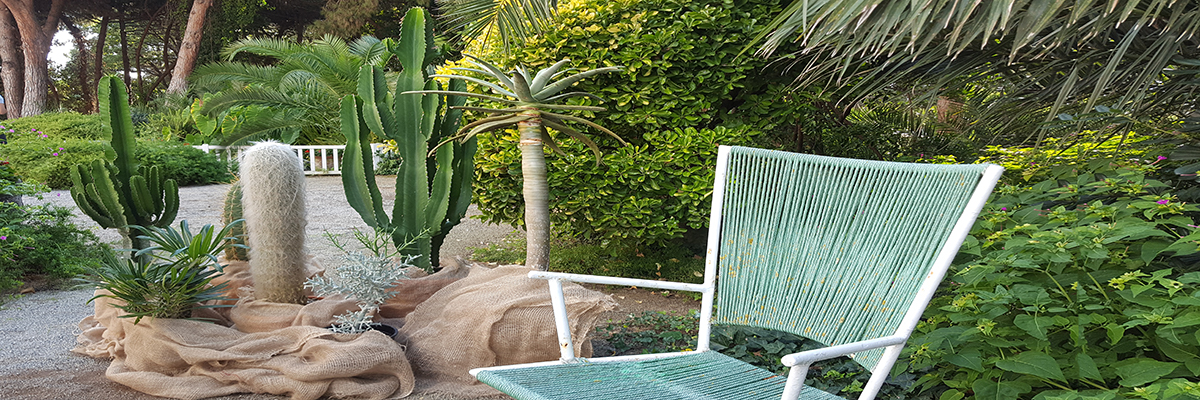
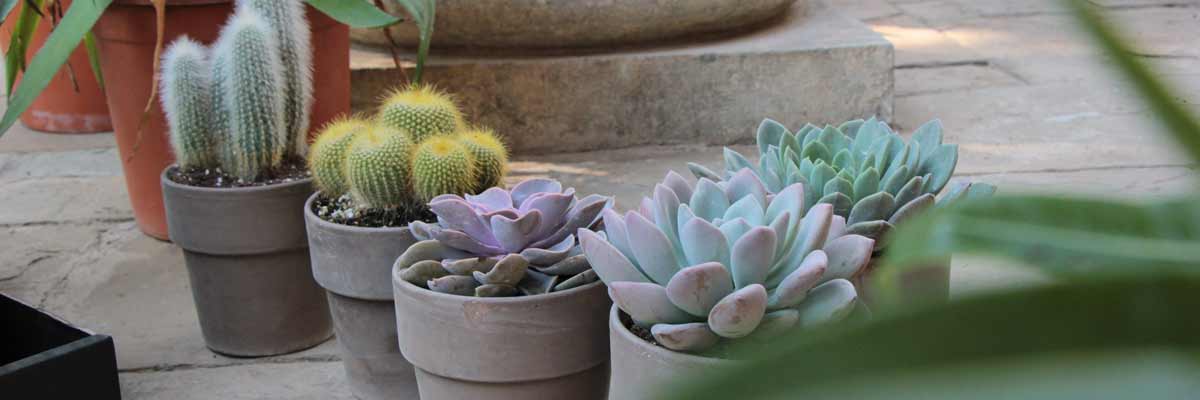
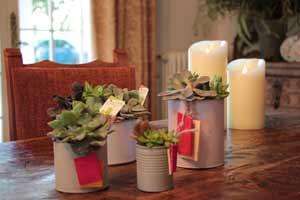
At Clavisa, we align ourselves with environmental initiatives that enable us to offer a better future for the next generations. We cultivate the vegetation layer, composed of a carefully selected range of cacti and succulents—ideal for withstanding cold and heat climate variations, resilient, diverse, colorful, and cost-effective.
Our succulent plants are particularly suitable for extensive green roof systems, as they require low maintenance once the vegetation is established. They need minimal irrigation, a porous mineral substrate, depths of only 10–25 cm, and are relatively lightweight (loads of 60–180 daN/m²).